

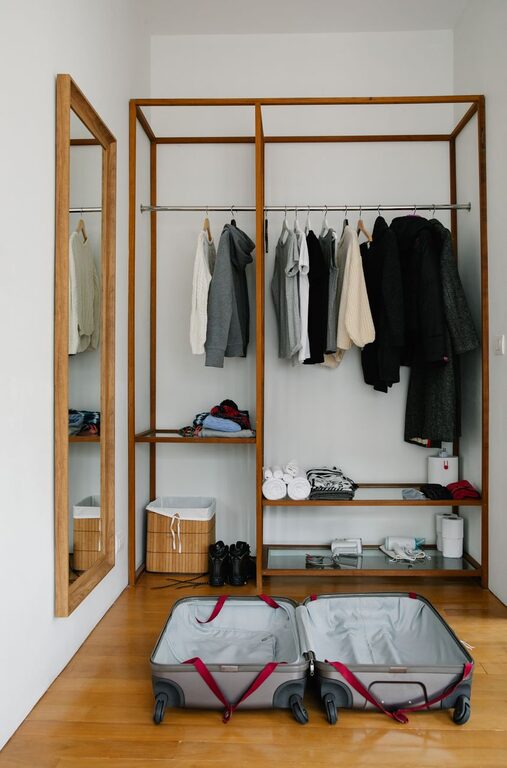
Storing seasonal clothes efficiently is a common challenge that many people face. Whether you’re switching from winter coats to summer dresses or packing away holiday sweaters, having a good system can save space, protect your clothes, and keep your home looking tidy. In this post, we’ll explore practical tips and clever ideas to help you store your seasonal wardrobe with ease.
Why Proper Storage Matters
Properly storing seasonal clothes isn’t just about saving space. It also:
– Protects your items from damage caused by moisture, pests, and dust.
– Keeps fabrics fresh and prevents wrinkles.
– Makes it easier to find the items you want when you need them.
With these benefits in mind, let’s dive into how to achieve the best results.
Step 1: Sort and Declutter Before Storing
Before you put your clothes away, sort through them carefully.
– Separate by Category: Group items into categories such as sweaters, jackets, pants, and accessories.
– Check Condition: Inspect for stains, tears, or odors. Wash and repair items as needed.
– Donate or Sell: If you haven’t worn something in a season or it doesn’t fit, consider donating or selling it. This reduces clutter and makes storage easier.
Sorting upfront means you only keep what you truly need, saving space and time later.
Step 2: Clean Clothes Thoroughly
Always store clothes clean. Dirt, oils, and sweat can attract insects or cause stains to set over time.
– Wash or Dry Clean depending on the garment’s care label.
– Make sure clothes are completely dry before storing to prevent mold and mildew.
– For delicate fabrics, consider using garment bags or tissue paper for extra protection.
Step 3: Choose the Right Storage Containers
The containers you use can make a big difference in protecting clothes and organizing your space.
Types of Storage Options
– Plastic bins with airtight lids: Great for protection against moisture and pests.
– Fabric storage bags: Breathable and lightweight, perfect for less damp environments.
– Vacuum-seal bags: Save space by removing air, but avoid over-compressing delicate fabrics.
– Drawer organizers or closet boxes: Useful for smaller items like scarves and gloves.
Tips for Container Selection
– Use clear containers or label opaque ones for easy identification.
– Avoid cardboard boxes for long-term storage because they can attract insects and degrade.
– Consider stackable containers to maximize vertical space.
Step 4: Use Space-Saving Techniques
Maximize your available space with these smart techniques:
Vacuum-Sealing
– Works well for bulky items like winter coats and blankets.
– Remember to leave delicate fabrics like silk or cashmere out of vacuum bags to avoid damage.
Rolling Clothes
– Rolling rather than folding can save space and reduce wrinkles for casual clothing.
– Use rolling especially for t-shirts, jeans, and knitwear.
Shelving and Hanging
– Install shelves in closets or storage rooms specifically for off-season clothes.
– Use slim, non-slip hangers for items that benefit from hanging, such as dresses or coats.
– Consider garment bags for hanging clothes to protect them from dust.
Step 5: Add Protection Against Pests and Odors
Even the best storage can be affected by pests and odors over time.
– Use natural repellents like cedar blocks, lavender sachets, or dried herbs.
– Avoid mothballs, as their strong smell can be unpleasant and potentially harmful.
– Keep storage areas clean and dry, and check stored items periodically.
Step 6: Organize for Easy Access
It’s important to be able to find what you need without hassle.
– Place frequently used seasonal items in easy-to-reach spots.
– Group similar items together and label containers clearly.
– Consider making an inventory list if you have many containers.
Step 7: Store in a Suitable Environment
Choose a storage location that is cool, dry, and dark if possible.
– Avoid places prone to humidity like basements without dehumidifiers.
– Avoid attics that may experience extreme heat.
– Ideally, keep clothes in a climate-controlled area to extend their lifespan.
Bonus Tips: Seasonal Clothing Maintenance
– Air out stored clothes every few months to keep them fresh.
– Refold or rearrange items to prevent permanent creases.
– Check for any signs of damage, pests, or moisture regularly.
—
Conclusion
Efficiently storing seasonal clothes requires a little planning, the right materials, and ongoing maintenance. By sorting, cleaning, using proper storage containers, and organizing thoughtfully, you can extend the life of your clothing and maintain a clutter-free home. Give these tips a try, and enjoy the ease of a well-organized seasonal wardrobe!